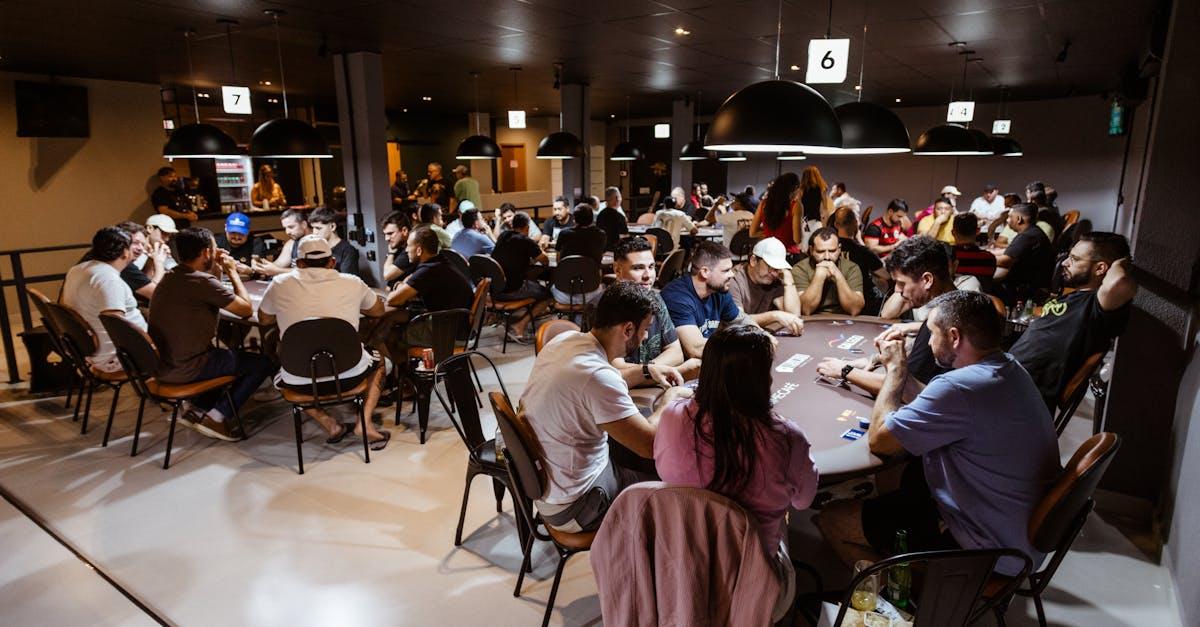
In a world where the ordinary just won’t cut it anymore, revolutionary design is the secret sauce that spices up everyday life. Imagine walking into a room and feeling like you’ve stepped into the future—where creativity knows no bounds and functionality meets flair. It’s not just about making things look pretty; it’s about transforming spaces and experiences in ways that make people stop and say, “Wow, I need that in my life!”
Table of Contents
ToggleOverview of Revolutionary Design
Revolutionary design reshapes everyday experiences through creativity and innovation. It focuses on integrating functionality with aesthetic appeal, influencing both personal and communal spaces. Designers prioritize user needs while pushing the boundaries of traditional concepts, resulting in environments that inspire engagement and interaction.
Transformative materials and technologies lie at the core of this design approach. Smart technology applications enhance usability, making ordinary objects more intuitive. Concepts such as sustainability and minimalism drive many contemporary designs, reflecting a growing awareness of environmental impact.
Architectural examples showcase how revolutionary design can create dynamic urban landscapes. Buildings with fluid shapes and green roofs enhance energy efficiency while appealing to visual senses. Public spaces, redesigned for social interaction, encourage community engagement and promote well-being.
Artistic elements also play a significant role in revolutionary design. Designers often merge fine art with functional objects, creating pieces that serve dual purposes. Unique installations in public areas captivate audiences, transforming them into interactive experiences rather than mere observations.
The integration of diverse influences leads to distinctive outcomes. Global cultures contribute rich aesthetics, resulting in designs that resonate with wider audiences. Contemporary art movements inspire innovative methods, infusing traditional designs with fresh perspectives.
Revolutionary design transcends conventional limits, emphasizing creativity and user-centered experiences. It invites individuals to envision a future shaped by thoughtful, engaging spaces and products that enhance daily life.
Key Principles of Revolutionary Design
Revolutionary design centers on a few key principles that elevate experiences and spaces. These principles shape the functionality and aesthetics of various environments.
User-Centric Approach
A user-centric approach places people at the heart of design. Designers focus on understanding user needs, behaviors, and desires. This emphasis leads to products and spaces that enhance usability, allowing individuals to engage more fully with their surroundings. Feedback loops offer insights into user experiences, ensuring continuous improvement. By prioritizing practicality, designers create intuitive environments that invite interaction and foster positive emotions. In doing so, they transform everyday life into something extraordinary.
Innovative Materials and Technologies
Innovative materials and technologies drive revolutionary design forward. Designers leverage sustainable materials that reduce environmental impact while enhancing aesthetic quality. Smart technologies introduce interactivity, making everyday objects more responsive and functional. With advances like 3D printing, customization becomes easier, allowing for personalized design solutions. These innovations create vibrant, multifunctional spaces that adapt to users’ needs. Emphasizing these cutting-edge elements significantly enhances both the efficiency and appeal of modern design.
Case Studies of Revolutionary Design
Revolutionary design has manifested in various fields, showcasing significant improvements in both aesthetic and functional aspects. These case studies highlight how innovative concepts redefine spaces and products.
Notable Examples in Architecture
Foster + Partners’ The Gherkin in London showcases a unique design that maximizes natural light while minimizing energy use. The structure features a distinct bulbous shape, which aids in aerodynamics and reduces wind loads. In New York, the High Line exemplifies urban renewal, transforming an old elevated railway into a vibrant public park. It employs green space to promote social interaction and ecological sustainability. These architectural advancements emphasize how revolutionary design can enhance community engagement and environmental responsibility.
Groundbreaking Product Designs
Apple’s iPhone revolutionized communication with its sleek design and intuitive interface, integrating multiple functionalities into a single device. The Tesla Model S set a new standard for electric vehicles, combining luxury with sustainable technology, appealing to eco-conscious consumers. Nest’s smart thermostat exemplifies user-centric design, allowing homeowners to control energy usage efficiently. Each of these products illustrates how innovative design not only meets consumer needs but also shifts industry standards, proving the power of thoughtful design in everyday life.
Challenges in Implementing Revolutionary Design
Implementing revolutionary design presents various challenges that can hinder progress and adoption. Resistance to change often emerges within organizations, where established practices and comfort zones create barriers to innovative ideas. Stakeholders may clamor for traditional approaches, fearing disruption and uncertainty associated with new designs.
Budget constraints frequently restrict the scope of revolutionary projects. Limited financial resources can confine creativity, forcing designers to compromise on innovation and materials. Affordability plays a critical role, especially in large-scale urban developments, where funding impacts design execution.
User acceptance also poses a challenge. Designers must navigate differing user expectations and behaviors to facilitate acceptance. Communicating the value of revolutionary designs is essential, as users may cling to familiar products and spaces.
Collaboration and communication among multidisciplinary teams can become complex. Effective synergy is required to blend various perspectives, including architects, engineers, and artists. Misalignment can lead to fragmented ideas, reducing the overall impact of the design.
Regulatory hurdles add another layer of difficulty. Navigating building codes and zoning laws is often time-consuming and convoluted. Adherence to regulations can stifle the creative process, forcing designers to modify original concepts to meet compliance.
Sustainability consistently remains a vital consideration. Balancing innovative design with environmental responsibility requires careful planning and resource selection. Designers may struggle to incorporate sustainable materials while achieving aesthetic and functional goals.
Cultural differences within diverse markets can complicate the implementation process. Understanding local preferences and values is crucial for successful design adaptation. Awareness of these factors enhances market acceptance and optimizes user engagement.
Navigating these challenges effectively enhances the likelihood of successful revolutionary design implementation.
Future Trends in Revolutionary Design
Emerging trends in revolutionary design focus on sustainability and user experience. Designers increasingly prioritize eco-friendly materials, integrating renewable resources into their work. Material innovation shapes the industry, promoting the use of biodegradable or recycled components in buildings and products.
Smart technologies play an essential role in transforming everyday items. Connectivity enhances interactions, making devices more intuitive and responsive to user needs. Examples include smart home systems that adapt to individual preferences and optimize energy consumption.
Community-centric design trends foster social interaction. Public spaces transform into vibrant hubs, encouraging gatherings and collaborations. The design of urban areas shifts toward inclusive environments, accommodating diverse groups and enhancing well-being.
Art and design continue to blend seamlessly. Dynamic installations capture attention, merging artistic expression with functional everyday objects. Interactive public art encourages engagement, making communities more vibrant and inclusive.
Global influences shape contemporary design. Designers draw from cultural aesthetics, creating unique projects that resonate with a broad audience. Inspired by international movements, designers develop innovative solutions that address local challenges.
Minimalist principles guide design choices moving forward. Simplified forms emphasize functionality, reducing clutter and enhancing user experience. A focus on essential elements creates calm, intuitive environments that promote mindfulness.
Health and wellness increasingly influence design trends. Biophilic design incorporates natural elements, promoting psychological well-being. Spaces that prioritize access to nature support mental health and enhance productivity.
As revolutionary design evolves, adaptability remains vital. Trends reflect evolving user needs, ensuring that designs remain relevant and impactful. Staying ahead in this ever-changing landscape demands creativity and responsiveness, driving the future of design.
Revolutionary design is more than just aesthetics; it’s a catalyst for change in everyday life. By merging creativity with functionality, it transforms spaces into engaging environments that resonate with users. As designers continue to prioritize sustainability and user experience, the future holds exciting possibilities for innovative solutions that enhance well-being.
The ongoing evolution of design principles reflects a commitment to creating inclusive and adaptable spaces. With a focus on community interaction and the integration of smart technologies, revolutionary design paves the way for a more connected and sustainable world. Embracing these changes invites individuals to reimagine their surroundings and experience life in a whole new light.