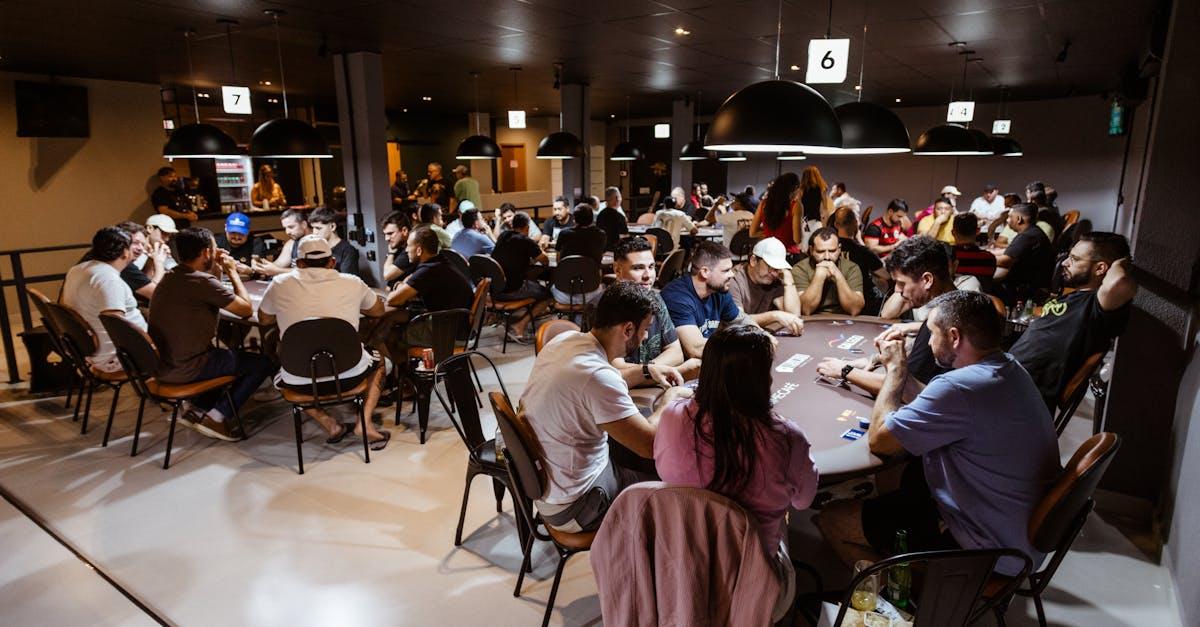
In a world where attention spans are shorter than a cat video, creating engaging spaces is more crucial than ever. Whether it’s a cozy coffee shop or a vibrant office, the right environment can spark creativity and foster connection. Imagine stepping into a place that makes you feel instantly inspired—sounds like magic, right?
But here’s the kicker: engaging spaces don’t just happen by accident. They’re meticulously crafted to invite interaction, provoke thought, and even tickle your funny bone. From quirky furniture to eye-catching art, every detail counts. So, if you’re ready to transform ordinary areas into extraordinary experiences, buckle up. It’s time to explore the delightful world of engaging spaces that not only capture attention but also keep it.
Table of Contents
ToggleUnderstanding Engaging Spaces
Engaging spaces play a vital role in enhancing experiences across various environments. These areas inspire creativity and stimulate interaction, making thoughtful design essential.
Definition of Engaging Spaces
Engaging spaces refer to environments that capture attention and foster participation. These areas include coffee shops, offices, and public venues that combine unique aesthetics and functional elements. They invite individuals to connect with their surroundings and with one another. Characteristics often involve eye-catching furniture, art pieces, and layouts that encourage movement and conversation. Such elements create an atmosphere that promotes shared experiences and memorable interactions.
Importance of Engaging Spaces
Engaging spaces significantly impact well-being and productivity. Research indicates that well-designed environments can boost morale and creativity, enhancing individual and group performance. These spaces enable people to connect socially, fostering collaboration and networking. Statistics show that workplaces with engaging elements can increase employee satisfaction by up to 30 percent. Beyond work, engaging public spaces can augment community interaction, encouraging participation in local events and activities. Cultivating these environments enhances overall quality of life and strengthens social bonds.
Characteristics of Engaging Spaces
Engaging spaces feature specific attributes that enhance their ability to captivate and inspire. Design elements and user interaction play crucial roles in establishing these environments.
Design Elements
Unique aesthetics attract attention and hold interest. Bright colors, interesting textures, and meaningful artwork create visually stimulating surroundings. Eye-catching furniture encourages people to interact and socialize. Flexible layouts foster movement and conversation, allowing individuals to connect in various ways. Thoughtful incorporation of natural light also helps, as it enhances mood and productivity. Comfortable seating arrangements promote relaxation and openness, making individuals more willing to engage. Overall, intentional design elements shape experiences within spaces.
User Interaction
Active participation defines user interaction within engaging spaces. Opportunities for collaboration and creativity flourish, especially in environments that accommodate diverse activities. Interactive installations or communal areas invite people to explore and connect. Events and workshops further enhance involvement, encouraging community members to share ideas and experiences. Personalization options also contribute significantly, allowing individuals to influence their surroundings. The more users feel valued, the stronger their connection to the space becomes. Ultimately, fostering interaction nurtures a sense of belonging and enhances overall well-being.
Benefits of Engaging Spaces
Engaging spaces offer a variety of advantages that enhance both individual experiences and group dynamics. Their thoughtful design contributes directly to productivity and well-being.
Enhanced Productivity
In engaging spaces, individuals often experience increased productivity. Research shows that well-designed environments can boost performance by as much as 30 percent. Clarity in layout allows for easier navigation, encouraging movement among team members. Access to natural light improves focus and energy levels, promoting sustained attention. Creative stimulation arises from unique aesthetics that inspire innovative thinking. Clear zones for collaboration foster teamwork and efficient brainstorming. Overall, environments that prioritize these elements create a framework for enhanced output.
Improved Well-Being
Well-being flourishes in engaging spaces that cater to the needs of individuals. Comfortable seating arrangements create an inviting atmosphere for relaxation. Opportunities for personalized touches promote a sense of ownership and belonging. Engaging public spaces enable community connections, enhancing social interactions. Moreover, access to green elements or natural features contributes to reduced stress levels. Inviting environments encourage people to participate in activities, enhancing mental health. Engaging spaces play a critical role in nurturing healthier lifestyles and improved emotional states.
Examples of Engaging Spaces
Engaging spaces come in many forms, each designed to inspire interaction and connection. Below are practical examples that illustrate this concept effectively.
Urban Parks
Urban parks serve as vital community hubs, promoting relaxation and socialization. Green spaces with walking paths and seating areas invite visitors to unwind and connect with nature. Landscaping featuring native plants enhances aesthetics, creating a visually stimulating environment. Play areas tailored for children encourage families to spend time together, boosting community ties. Events hosted in parks foster engagement, bringing locals together for activities like yoga classes or farmers’ markets. Access to natural elements in these parks reduces stress and improves overall well-being, making them essential to vibrant urban life.
Innovative Workspaces
Innovative workspaces redefine traditional office environments, enhancing collaboration and creativity. Open layouts promote movement and interaction among team members, breaking down barriers. Design elements, like colorful furniture and communal areas, stimulate creativity and encourage casual conversations. Access to natural light has been shown to boost productivity, making these spaces more appealing. Incorporating technology, such as interactive whiteboards or digital collaboration tools, fosters participation and innovation. Additionally, personalization options allow employees to tailor their work environment, enhancing their sense of belonging. Such innovative spaces ultimately lead to increased performance, as research indicates productivity gains of up to 30 percent.
Engaging spaces play a crucial role in enhancing both individual and collective experiences. By thoughtfully designing environments that inspire creativity and foster connections, it’s possible to significantly boost productivity and well-being. These spaces not only captivate attention but also encourage active participation and social interaction.
As communities and organizations strive to create environments that resonate with their users, the transformation of ordinary areas into engaging experiences becomes essential. The positive impact on morale and social bonds highlights the importance of investing in spaces that nurture creativity and connection. Embracing the principles of engaging design can lead to vibrant environments that enrich lives and strengthen communities.